

Operating Model Design with AI
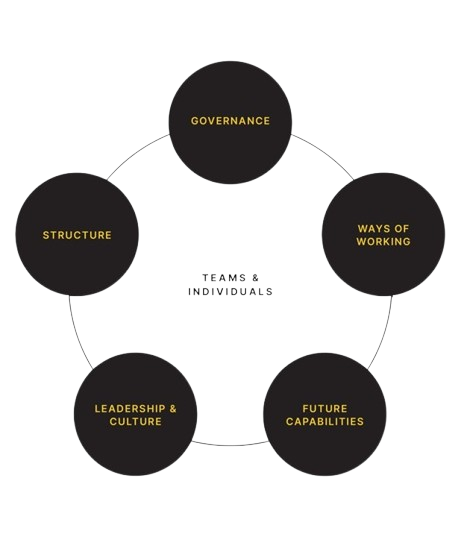
Most delivery problems are not delivery problems - they are operating model problems. Operating Model Design with AI helps leaders understand how structure, governance, decision rights, prioritisation, flow and ways of working shape execution performance, and how AI is now changing the system of work itself.
Build the judgement to see what is really slowing delivery, what needs redesigning, and how to lead operating model work so strategy moves through the organisation faster, with clearer accountability, stronger execution discipline and much less friction.
Learn from New Zealand’s hands-on operating model experts. You will get practical experience, commercial judgement and examples from people who design operating models in the messy reality of enterprise life, including where AI and agents can collapse handoffs, shift team boundaries, change capability needs and alter how work should be governed.
Overview
Understand how organisations really work, and why they so often don’t.
The Operating Model Design with AI course gives leaders a practical understanding of how operating models turn strategy into execution, what is involved in redesigning one, and how AI is changing the system of work.
Most organisations do not fail because their strategy is weak. They struggle because the system underneath the strategy is unclear, overloaded or no longer fit for the ambition of the business. AI adds another layer. It can collapse handoffs, shift team boundaries, change capability needs and reshape how work flows. But dropped into a poorly designed operating model, it often just makes the mess move faster.
This course helps leaders understand what an operating model is, how its core elements work together, where redesigns go wrong, and how AI influences structure, governance, decision rights, team design, ways of working and delivery execution.
Grounded in Radically’s work with large organisations across New Zealand and Australia, the course gives participants the literacy, judgement and practical understanding to lead operating model work well, ask better questions, improve delivery execution, and avoid treating AI as a technology initiative when it is really an operating model design challenge.
Who Should Attend?
This course is designed for leaders who need to understand operating model design, not people looking for generic organisational theory.
It is particularly relevant for:
- General Managers
- Heads of function
- Executive leaders
- Transformation leaders
- Strategy and planning leaders
- People and culture leaders
It is especially useful if your organisation is dealing with growth, integration, cost pressure, digital change, product-model adoption, regulatory pressure, delivery overload or a strategy that is not landing as cleanly as it should.
Booking
This course is delivered in-house for leadership teams and groups working inside the same organisation.
The course is a one-day, practical programme designed for up to 16 attendees. This keeps the room focused, allows enough space for discussion, and ensures participants can work through the operating model issues that are most relevant to their organisation.
The investment is $10,000 + GST for the full-day in-house course.
To discuss dates, location and suitability for your team, contact us.
Trainers
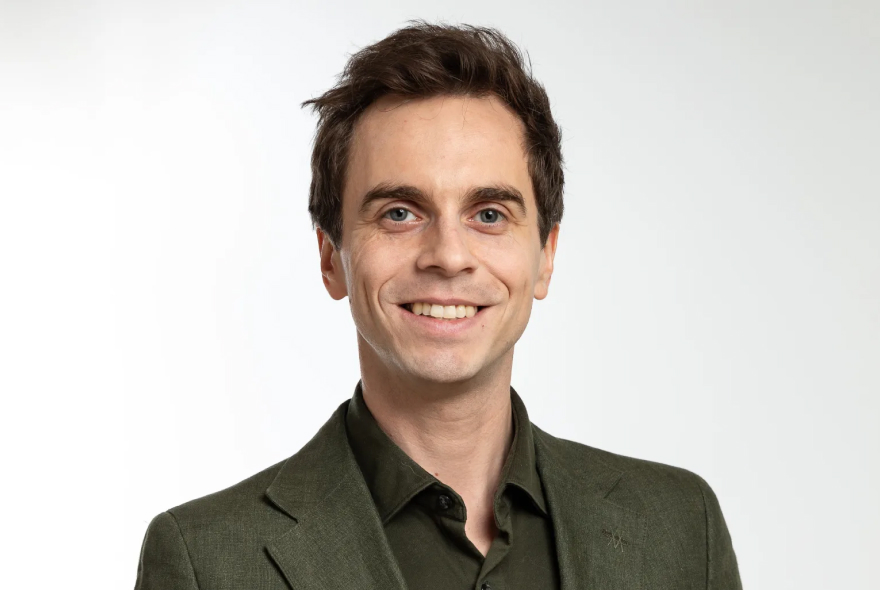
Kacper Mazek is a Partner at Radically, working with senior leaders on operating model design, organisational change and the systems of work that turn strategy into execution. He has led large-scale operating model work in some of New Zealand’s largest organisations, helping leadership teams clarify how work should be structured, governed, prioritised and delivered. Kacper also works with leaders on the operating model implications of AI, including how AI changes team boundaries, capability needs, decision rights, governance and the way work moves through the organisation.

Tiziano Rullo is a Principal Consultant at Radically, working with leaders and teams to improve how complex organisations operate, deliver and adapt. He brings a practical lens to operating model design, helping connect structure, governance, decision-making, team design and ways of working to the realities of delivery. Tiziano also works with leaders on how AI changes the way work gets done, including where it can shift team boundaries, reduce handoffs, support delivery flow and create new governance challenges. His strength is helping leaders move from intent to execution, making operating models clearer, more usable and better aligned to the real work of the organisation.
Course Outline
What an operating model actually is: A clear, practical explanation of how operating models work, why they matter, and how they differ from organisation design, agile delivery, transformation and process improvement.
Why operating models break: The common patterns behind operating model failure, including unclear decision rights, inherited structures, overloaded governance, weak prioritisation, duplicated capability and poor interfaces between teams.
How to start with strategy: How strategic objectives shape operating model choices, and why design work quickly becomes vague when strategy is unclear, contradictory or disconnected from execution.
How to use design principles: How to create and apply design principles as a practical decision tool, helping leaders make trade-offs when there is no perfect answer.
Integrating AI: How AI and agents reshape operating model design, including where they collapse handoffs, shift team boundaries and change capability needs. Participants will explore how to design team types and ways of working when part of the work is done by AI, and how to govern AI use across the operating model.
Macro design: How to think about structure, value streams, functions, leadership layers, team types and the key interfaces that determine how work moves through the organisation.
Detailed design: How roles, responsibilities, decision rights, governance, ways of working, processes, data and technology need to be clarified so the model can operate in practice.
People, leadership and culture: How to handle the human realities of operating model change, including shifts in authority, influence, identity and career paths, without losing design discipline.
Implementation and sustainment: What it takes to implement the model, build momentum, test the design, and keep improving it as the organisation learns.
