

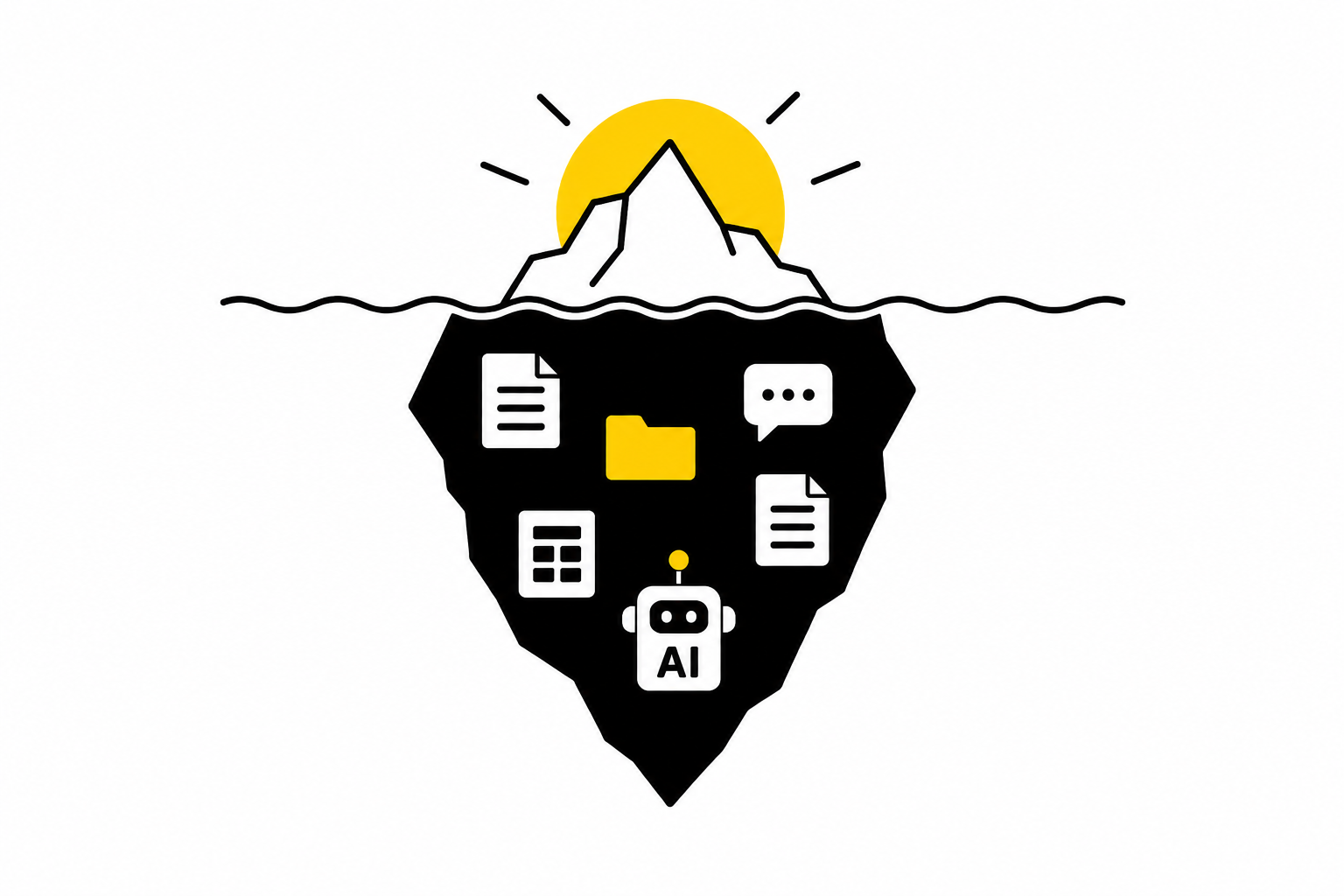
New Zealand organisations are using AI they never approved. Here's why that's a governance problem, not just an IT one.
Most of New Zealand’s AI conversation is about strategy and adoption. Far less of it is about the risk your staff are creating every single day.
Right now, somewhere in your organisation, someone is pasting a customer list, a draft contract or next quarter’s numbers into an AI tool nobody approved. Usually they aren’t being reckless, just trying to work faster, and few people whose job is to govern risk can see it happening.
The industry calls this shadow AI, and the paradox is stark, use is widespread, visibility is limited. In Gartner’s 2026 survey of security leaders, 86% said their organisation had seen unsanctioned use of public generative AI, yet Gartner estimates fewer than 10% of enterprises have dedicated tooling to control it. Verizon’s 2026 Data Breach Investigations Report found regular AI use on corporate devices tripled in a year, and around two-thirds of people using AI on those devices did so through personal accounts.
And the consequences are real, in IBM’s 2026 Cost of a Data Breach study, 43% of breached organisations reported incidents involving unapproved AI, up from 20% a year earlier.
NOW MAKE IT LOCAL, AND UNCOMFORTABLE
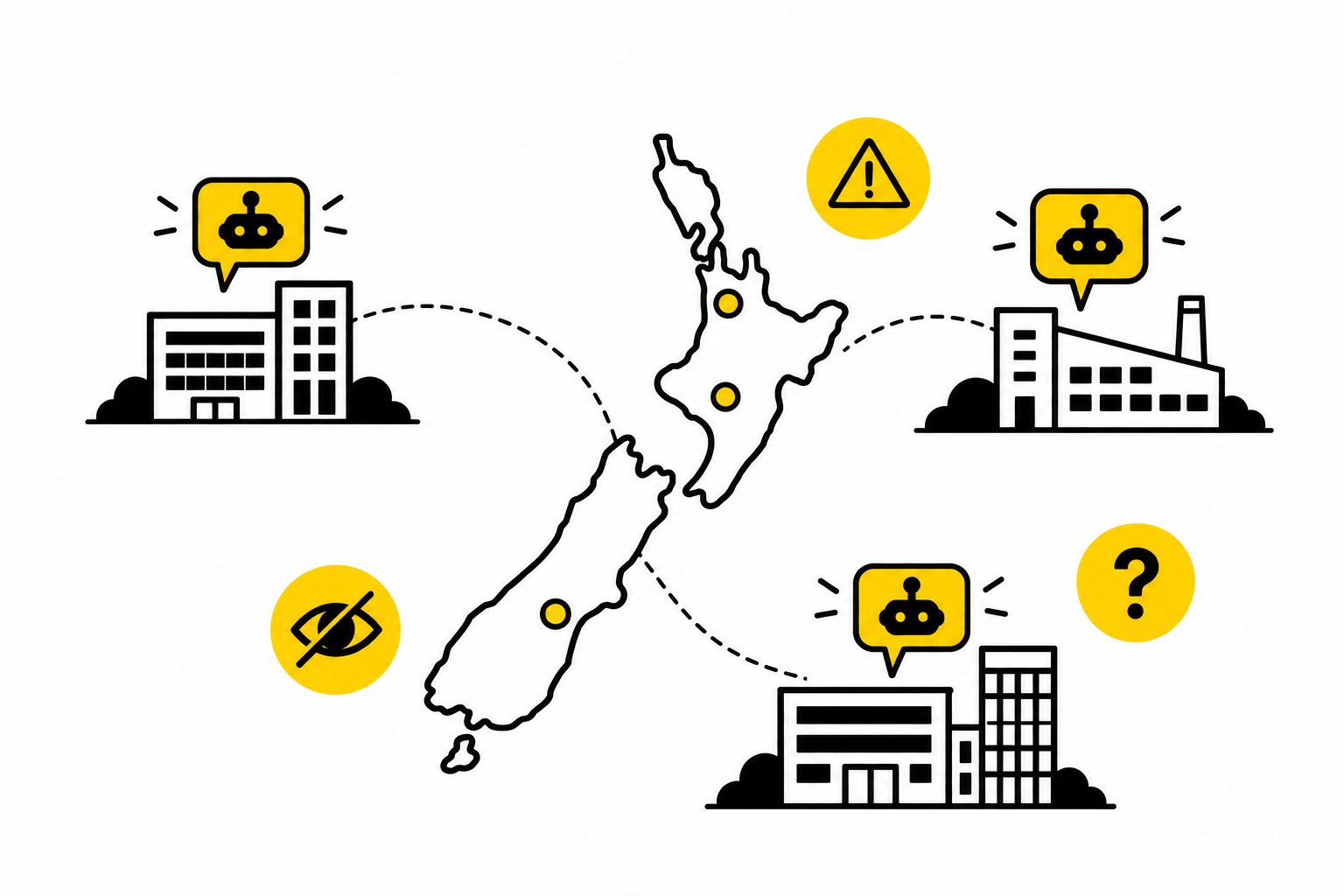
Here is where the New Zealand picture gets awkward - local evidence tells us about adoption and concern, not how often staff actually use AI outside approval. Datacom’s 2025 State of AI Index found 52% of senior New Zealand business leaders see shadow AI as a problem in their workplace, and KnowBe4 research found half of surveyed Australian and New Zealand organisations described their AI use as unapproved or ungoverned. We can count the firms adopting AI, we can survey the leaders worried about it, yet the evidence available still leaves a basic question unanswered - how widespread is AI use outside organisational approval?
And around 97% of New Zealand firms are small businesses with fewer than 20 employees. MBIE’s 2025 research found only 54% of surveyed SME owners and managers think AI benefits a business like theirs, while its qualitative findings suggest that using AI inside tools like Xero or Canva isn’t always described as AI adoption. So embedded AI can be missed entirely if organisations rely on staff to identify their own AI use.
Meanwhile the Privacy Act applies to a five-person firm just as it does to a bank, though the small firm has a fraction of the resources. The risk isn’t that New Zealand is behind, it’s that we can’t see where we stand.
This is a governance literacy problem, not just an IT problem
Most published advice on shadow AI is written for the security team, block sensitive data from leaving, monitor what staff type into these tools then funnel everyone through one approved version. Those controls matter, and IT should keep building them, but you can buy every tool on the market and still not fix this, because the deeper failure is a gap in oversight, and accountability for that can’t sit with IT alone.
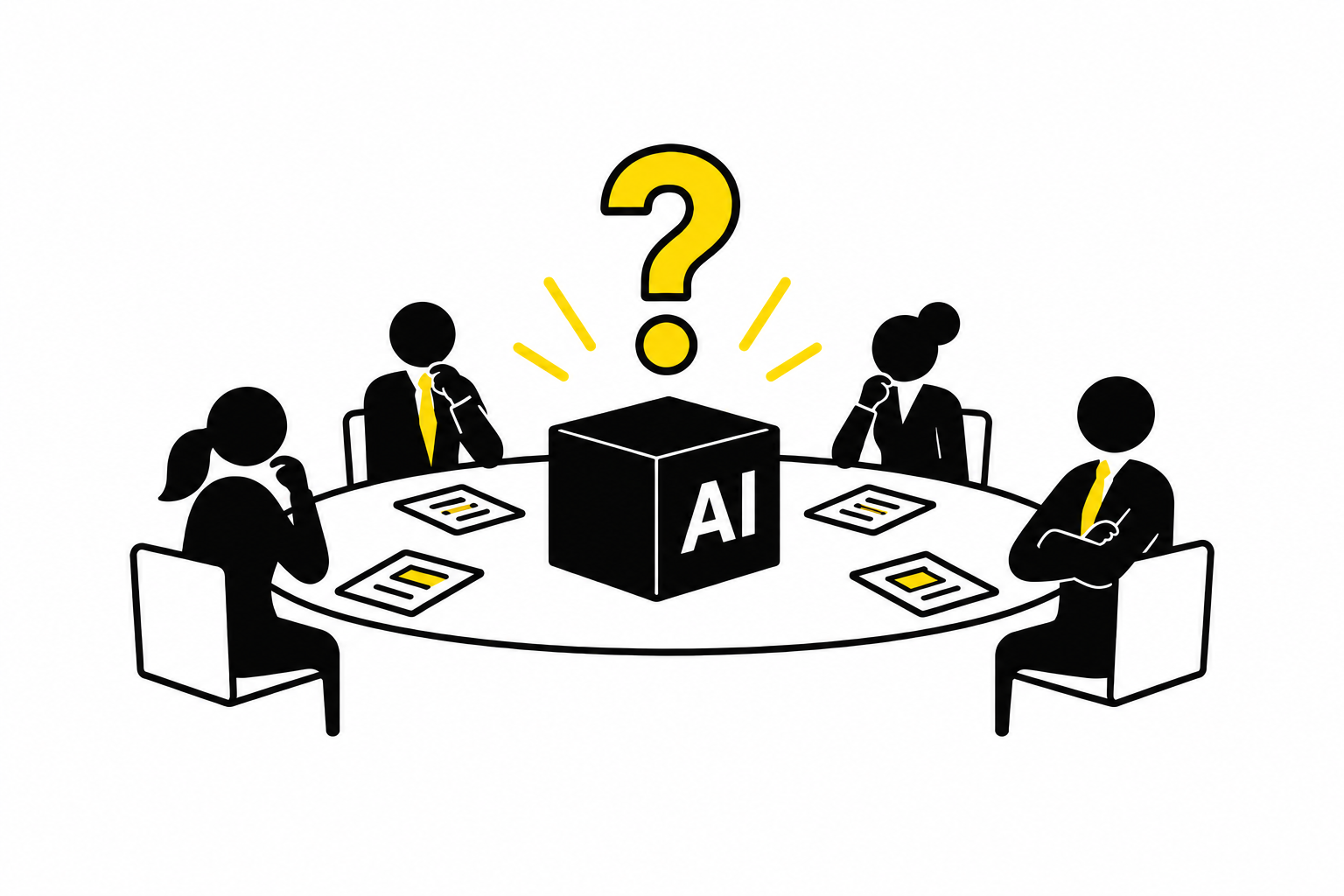
Business leaders own the risks their teams create. Risk managers, assurance leads, audit committee members and directors oversee them, and their job is to put a constructive challenge to management on whether those risks are judged correctly and controlled well enough.
But how do you challenge an answer about a technology you were never taught to see? You can’t govern what you can’t question, and many capable people around these tables privately don’t feel equipped to ask the next question, so they don’t ask it at all.
Five risk strategies, even if you’ve never written a line of code
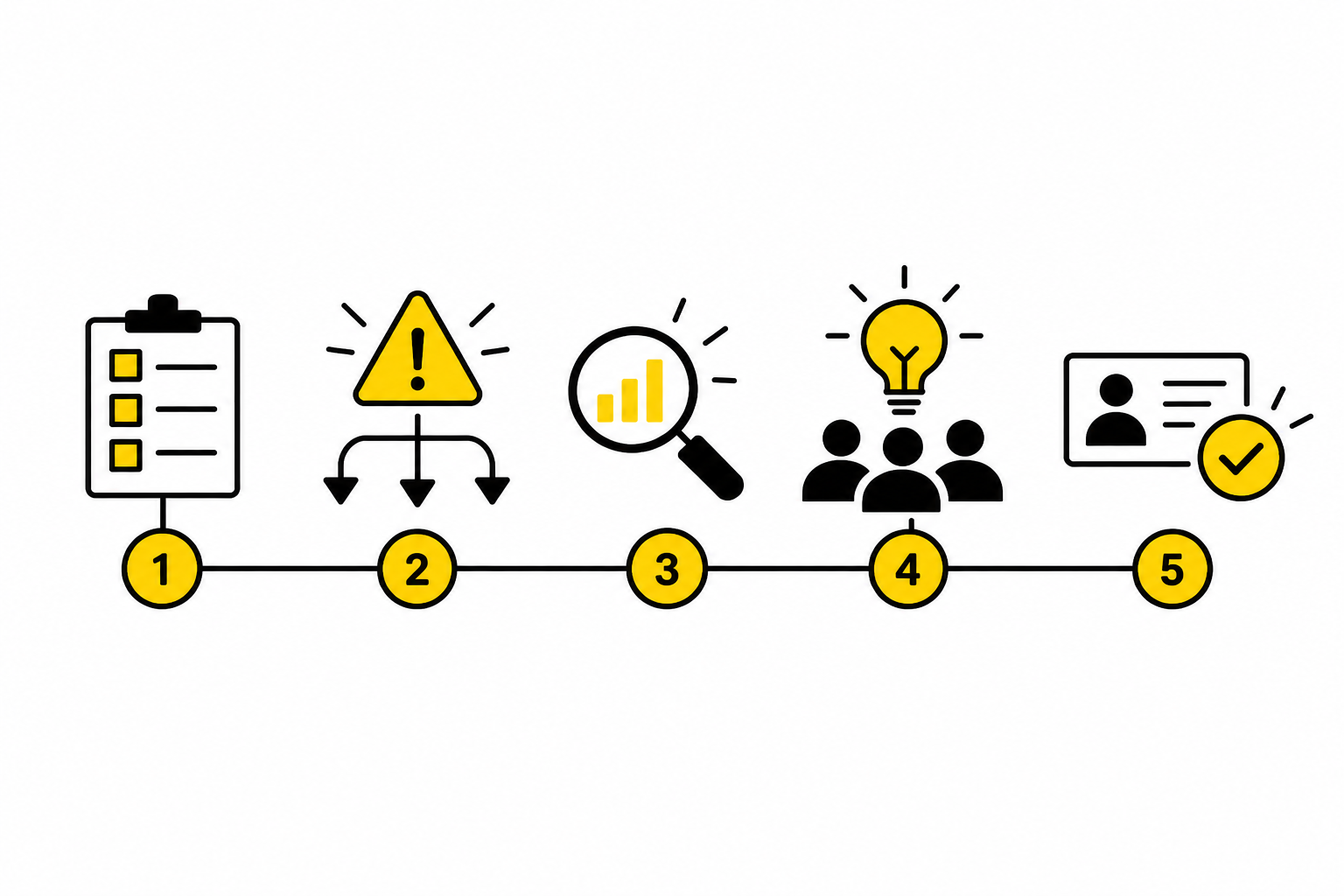
The encouraging part is that the highest-leverage moves here do not require you to understand how a model works. Five stand out.
- Build the inventory. The first act of governance is listing every AI tool and use case, who owns it and what data it touches, including the embedded AI inside software you already pay for. The accountable leader doesn’t need to code, but finding embedded AI and data flows will take input from IT and suppliers. It is unglamorous, and nothing else works without it. Just be honest about its limit - an inventory catches tools and accounts, but it will never catch someone photographing a screen and loading it into ChatGPT on their personal phone, which is exactly why the next point matters.
- Triage by use case, not by tool. A low-risk use that touches no confidential data and makes no consequential decisions should clear a light, fast approval. Anything touching customer data, personal information, regulated systems, or advice and decisions that affect people gets the full review. A non-technical leader can own those decision rules without ever reading code.
- Lead with declaration, back it with detection. If staff can declare their AI use without fear of punishment, you learn what no scan can tell you - what they’re using it for, and why. Detection catches what isn’t declared. Treat each disclosure as a signal, not a crime, because it’s free feedback on where your approved tools are failing your people. Close that gap and you remove much of the reason for the shadow; permissions, training and proportionate monitoring do the rest.
- Invest in role-specific literacy. Board, risk and assurance teams do not need to become engineers. They need just enough fluency to test management’s answers and recognise when they’re thin. That is a realistic, fundable goal, not a computer science degree.
- Name a single accountable business owner for each higher-risk AI use, in writing, with IT and risk named in supporting roles. It sounds trivial, but it is the antidote to the most common failure of all, where everyone assumes someone else is watching.
THE POINT
Shadow AI is a cybersecurity story. It is also an invisibility story, what sits outside approval can sit outside the conversations meant to govern it.
More tooling can help, so can better literacy, but neither substitutes for business ownership and evidence that controls work.
At your next governance meeting, don’t stop at “do we have an AI policy?”, instead, ask “what evidence tells us that policy describes what is actually happening?” If the answer is another policy document, keep asking.
