Unlocking organisational effectiveness with AI
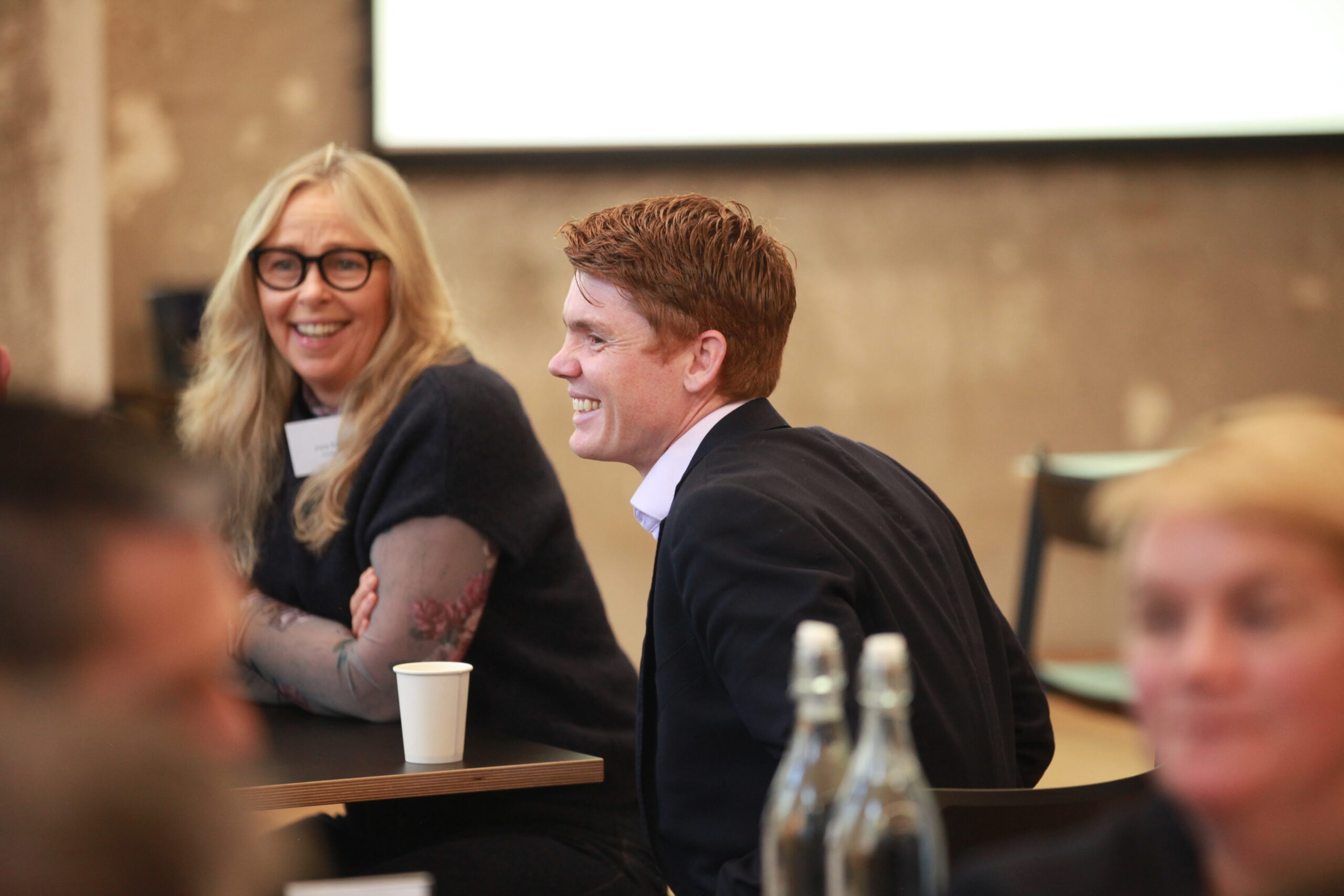
On 30 September, 30 senior leaders came together for our Adaptive Leadership Collective (ALC) breakfast to explore how organisations can accelerate delivery by 10x and unlock greater value from AI.
Led by Radically CEO Dan Teo, the session explored what organisations are doing today to improve productivity and performance, and what needs to change to realise AI's full potential.
While AI and agents offer significant opportunities to transform how work gets done, the conversation went beyond the technology to examine the organisational conditions needed to make that transformation possible.
Looking beneath the surface
One of the key themes of the morning was that AI and agents are just the tip of the iceberg.
Much of the conversation around AI focuses on the technology itself, whether that's the latest model, tool or agent. Yet the greatest opportunities, and often the biggest barriers, sit beneath the surface.
Realising the full potential of AI requires organisations to rethink how they're structured, how work flows, where decisions are made and how leaders equip their teams to operate differently.
several areas that organisations need to consider:
- Organisational structure: How existing structures can enable or constrain the speed and effectiveness of delivery.
- Processes and ways of working: Why organisations need to redesign how work gets done rather than simply automate existing processes.
- Decision-making: The importance of moving decisions closer to the work while maintaining appropriate oversight and accountability.
- Leadership and capability: How the introduction of AI and agents is changing the skills, judgement and critical-thinking capabilities required of leaders and teams.
- Governance and accountability: How organisations can balance greater speed and autonomy with effective governance and decision quality.
From experimentation to organisational change
The discussion raised important questions about how organisations will need to evolve as AI becomes more embedded in everyday work.
In particular, participants explored what accountability and governance could look like in an AI-enabled organisation, how leaders can maintain decision quality as the pace of work increases, and how to develop critical-thinking capability in the next generation of leaders.
Dan also brought the conversation to life through an interactive exercise, giving participants a glimpse into how experimentation and decision-making could evolve when AI agents become part of the way organisations operate.
The session reinforced an important message. The opportunity with AI goes well beyond making existing work faster. Its real potential lies in redesigning how organisations operate to achieve better outcomes at a fundamentally different pace.
Thank you to everyone who joined us and contributed to another engaging discussion.
See how operating model change works in practice
Want to improve productivity through your operating model?
If your organisation is working hard but struggling with slow decisions, competing priorities, unclear accountabilities or delivery friction, the issue may not be effort. It may be the system of work.
Radically helps leadership teams design operating models that create clearer decision-making, better alignment and stronger execution.
Stay connected
This video was recorded as part of the Adaptive Leadership Collective - a regular community series for senior leaders working through the practical realities of leading in complexity.
The ALC brings together executives, general managers, transformation leaders and senior practitioners to explore topics such as strategy, leadership, operating models, change, delivery and organisational performance. Each session features a real leader sharing practical lessons from the field, followed by honest conversation about what those lessons mean in complex organisations.
It is a place to hear real stories, connect with thoughtful peers, and keep building the leadership capability needed to help organisations adapt, perform and change.