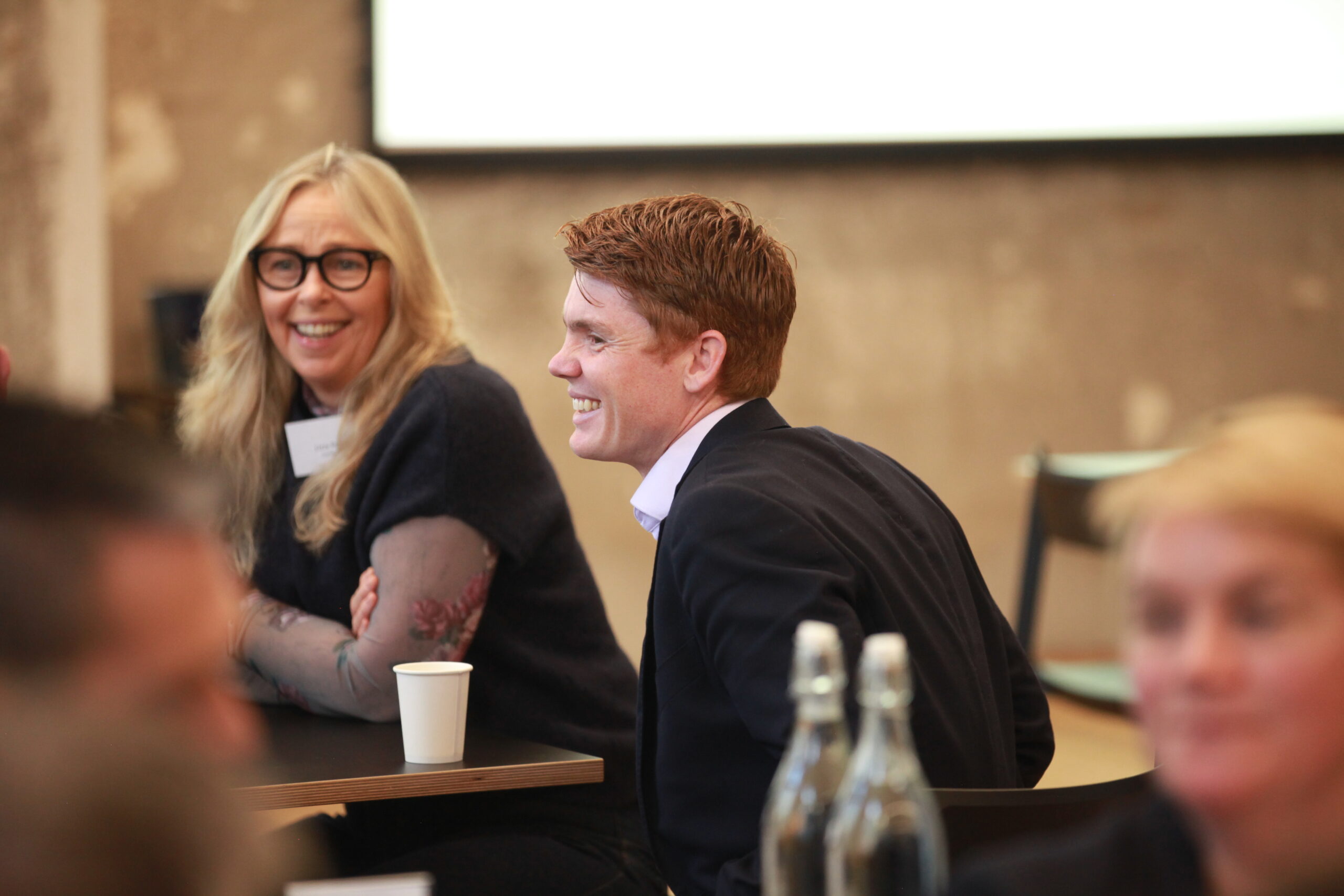

Operating Model Productivity: Meridian’s 2–3x Uplift
In this Adaptive Leadership Collective session, Nicholas Warmke from Meridian Energy shared how changes to Meridian’s operating model helped create a two to three times increase in productivity.
The conversation explored the organisational conditions behind that result, including:
- How Meridian is adapting its operating model to support a cleaner, more affordable energy future
- Why productivity improvement depends on the system of work, not just individual effort
- How clearer structures, governance, teams and ways of working can improve flow and focus
- The leadership shifts required to help people work differently and sustain change
This session offers a practical look at how operating model change can reduce friction, improve alignment and help organisations deliver better outcomes in complex environments.
Productivity is a system issue
Many organisations try to improve productivity by asking people to work harder. Meridian’s story shows a different path: redesigning the system of work so people can move faster, align more easily and deliver better outcomes with less friction.
In this session, Nicholas Warmke shares the story of Meridian’s operating model journey two years on. The conversation explores how Meridian approached productivity improvement, what changed in the way work was organised, and why operating model design matters when organisations are trying to move faster without simply adding more pressure to their people.
Key themes include:
- Designing for pace in a complex enterprise environment
- Improving productivity through better structures, governance and ways of working
- Creating clearer alignment between strategy, teams and delivery
- Reducing organisational friction so work can move more effectively
- The leadership role in sustaining operating model change
Why operating models matter
An operating model is not just an organisation chart. It is the system that determines how work flows, how decisions are made, how priorities are set, how teams align and how accountability is held.
When the operating model is unclear, good people often compensate through effort, escalation and workarounds. Over time, that creates drag. Decisions slow down, priorities compete, teams duplicate effort and leaders spend too much time unblocking the system.
A well-designed operating model creates the opposite conditions. It helps people understand where work should happen, who owns which decisions, how teams collaborate, and how strategy turns into delivery. That is where productivity improvement becomes systemic rather than temporary.
See how operating model change works in practice
Want to improve productivity through your operating model?
If your organisation is working hard but struggling with slow decisions, competing priorities, unclear accountabilities or delivery friction, the issue may not be effort. It may be the system of work.
Radically helps leadership teams design operating models that create clearer decision-making, better alignment and stronger execution.
Stay connected
This video was recorded as part of the Adaptive Leadership Collective - a regular community series for senior leaders working through the practical realities of leading in complexity.
The ALC brings together executives, general managers, transformation leaders and senior practitioners to explore topics such as strategy, leadership, operating models, change, delivery and organisational performance. Each session features a real leader sharing practical lessons from the field, followed by honest conversation about what those lessons mean in complex organisations.
It is a place to hear real stories, connect with thoughtful peers, and keep building the leadership capability needed to help organisations adapt, perform and change.