

Big Room Planning at FMG: aligning strategy, priorities and delivery
FMG had made a bold move from a traditional project structure to a product-based operating model, with new leadership and delivery roles in place. The next challenge was making that model work in practice. FMG engaged Radically to help establish Big Room Planning as a practical way to connect strategy, priorities, capacity and delivery.
Radically established and embedded a Quarterly Planning approach, anchored by Big Room Planning. This was not just about running a large planning event. It was about helping FMG build the planning discipline, behaviours and operating rhythm needed to make its product operating model real.
The work had to be practical and grounded in FMG’s rural New Zealand culture. It needed to make sense to leaders and teams who value straight talk, useful work and visible progress. The engagement culminated in a highly successful Big Room Planning event that brought together more than 200 people.
CHALLENGE: MAKING BIG ROOM PLANNING WORK AT FMG
FMG was working through a significant shift. The organisation had moved toward a product-based operating model, and there was good momentum behind the change. New roles were in place, including Product Owners, Product Managers and Pillar Leads, but the planning system had not yet caught up.
Teams were working hard, but prioritisation, dependency management and capacity planning were still maturing across the organisation. Different teams were planning at different levels of detail, and leaders did not always have the visibility they needed to see what was realistic, what mattered most, or where trade-offs needed to be made.
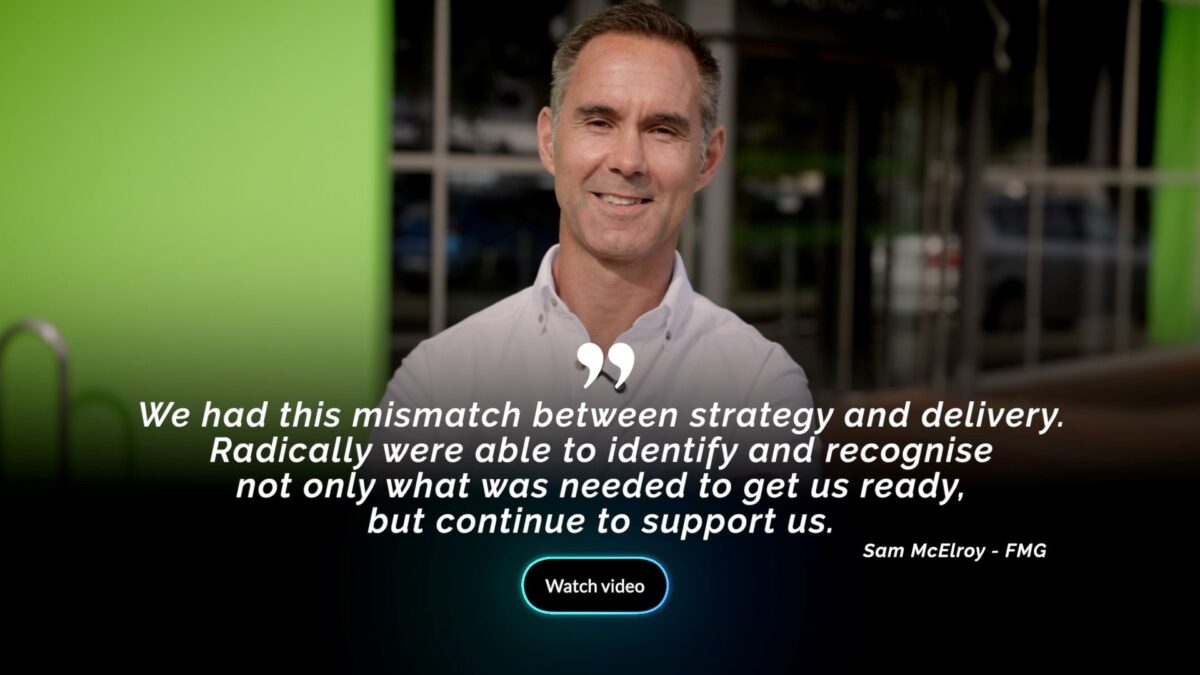
The biggest gap was between strategy and delivery. FMG had clear intent, but the organisation needed a stronger way to connect that intent to the work teams were planning and delivering each quarter.
The challenge was not simply to run a Big Room Planning event. It was to help FMG build a practical planning rhythm that could connect strategy, priorities, capacity and delivery in a way that made sense for the organisation.


APPROACH
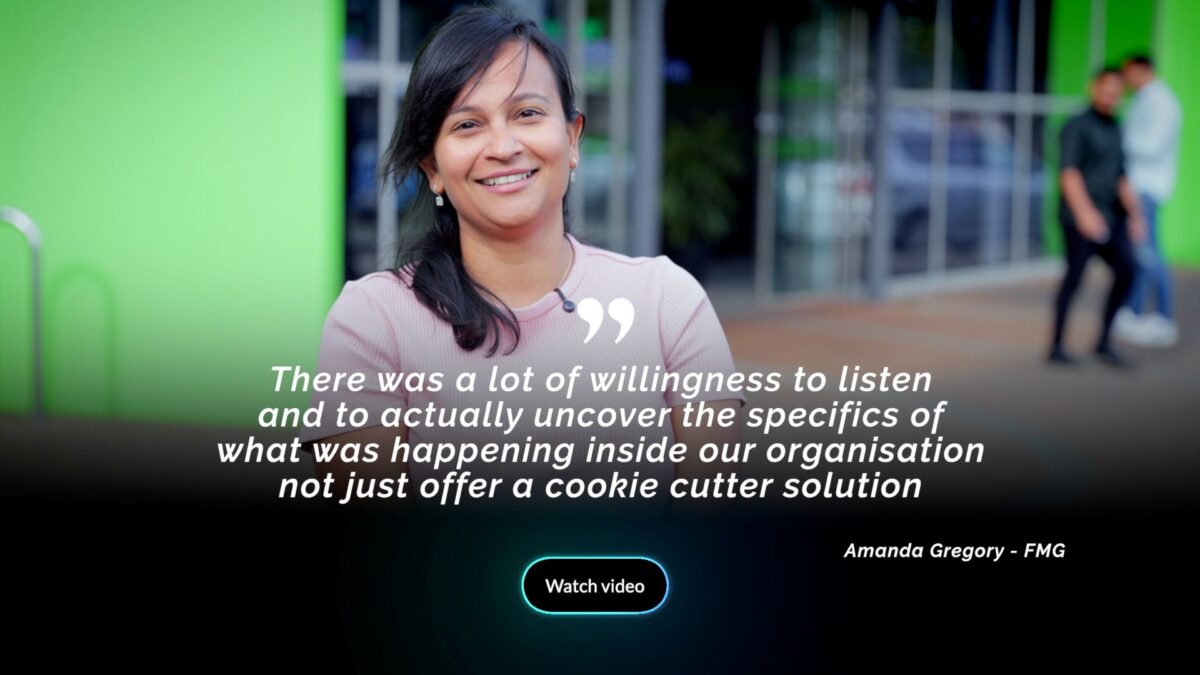
Radically did not arrive with a fixed framework or tell FMG how to work. That would not have suited the organisation. FMG has a practical, hands-on style culture, so the work needed to be useful, clear and grounded in the real challenges teams were facing.
We partnered closely with FMG to understand the business. Its culture and the key outcomes FMG sought. Radically then designed the first version of Big Room Planning, then helped improve it over multiple planning cycles. The focus was not just on running one event. It was on building a planning rhythm that FMG could own and keep improving.
The first step was to stand up FMG’s first Big Room Planning event. Radically worked with Pillar Leads, Product Managers and Product Owners to prepare the right planning inputs, shape backlogs, clarify priorities and get teams ready for the conversation. We introduced simple approaches and templates to help organise the event, manage dependencies and bring capacity into the planning process.
We also coached leaders and teams on how to show up differently. Big Room Planning only works when people are willing to surface risks, talk honestly about capacity, identify dependencies and make trade-offs together. That was a key part of the work.
As the engagement matured, the focus shifted from running Big Room Planning to embedding the capability inside FMG. Radically helped leaders connect strategic intent to delivery outcomes through quarterly objective setting, stronger prioritisation, better cross-functional alignment and clearer decision-making.
The work also helped FMG build stronger internal planning and facilitation capability. This was important because the goal was never long-term dependence on Radically. The goal was to help FMG build a planning approach that leaders and teams could own, adapt and continue improving over time.
THE SHIFT
The biggest shift was that planning became more than coordination. It became a way for FMG to connect strategy to real work.
Leaders started to move the conversation from “what are we delivering?” to “why does this matter?” and “how does this connect to our priorities?” This helped Product Owners, Product Managers, Pillar Leads and delivery leaders take stronger ownership of outcomes, not just activities.
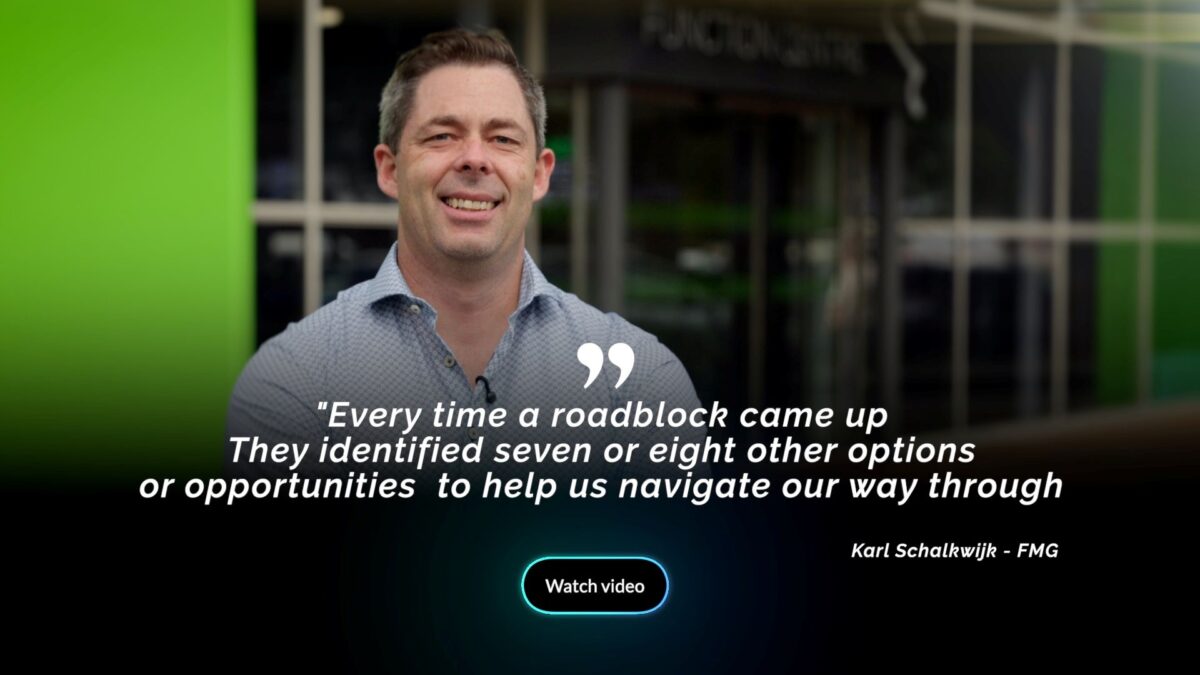
Big Room Planning also gave FMG much better visibility across the organisation. Teams that had often planned separately could now see where their work connected, where dependencies existed, and where capacity was stretched. Risks and trade-offs became easier to discuss because they were visible to more people at the same time.
There was also a cultural shift. At first, some people were unsure about the new way of working. That is normal. But over time, uncertainty turned into curiosity, engagement and stronger leadership support. FMG’s culture helped make that possible. Its people were willing to learn, ask straight questions and improve the process as they went.
OUTCOMES
Big Room Planning at FMG Becomes a Repeatable Rythm
By the end of the engagement, FMG had established a quarterly Big Room Planning approach that brought more than 200 people together across the organisation.
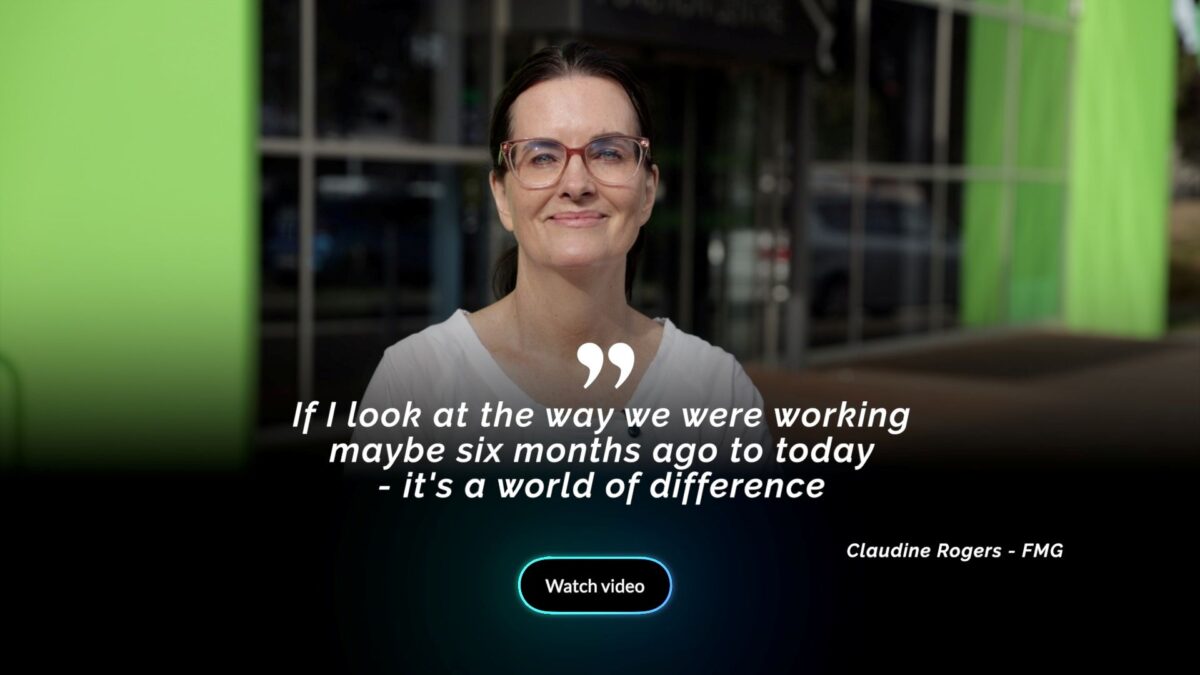
The event itself was important, but the bigger outcome was the planning muscle FMG started to build around it. Leaders and teams had a clearer way to connect strategy, priorities, capacity and delivery. They could see the work more clearly, talk about trade-offs earlier, and make better decisions together.
The work created several practical outcomes:
- A repeatable Big Room Planning process and quarterly operating rhythm.
- Better visibility of priorities, dependencies and capacity.
- Stronger alignment between strategy and delivery.
- Improved planning maturity across Product Owners, Product Managers and Pillar Leads.
- Better cross-functional collaboration and decision-making.
- More confidence using iterative planning and delivery practices.
- Stronger internal capability to keep improving Big Room Planning without relying on Radically long term.
The engagement also helped FMG make its product operating model more real. It gave leaders and teams a shared planning rhythm that brought the right people into the same conversation at the right time.
For a practical organisation like FMG, that mattered. Big Room Planning gave people a clear, useful way to see the work, challenge assumptions, raise risks and make decisions together. It helped turn planning from a process people attended into a rhythm people could use.
What made the work special was the way FMG leaned into it. People brought curiosity, honesty and a real willingness to learn. They asked straight questions, challenged what needed to be challenged, and stayed focused on making the process useful for the organisation. That is why Big Room Planning landed well. It did not feel like an imported process. It became part of how FMG could bring people together, see the work more clearly, and keep improving the way strategy turns into delivery.
Interested in knowing more?
Let's meet and discuss how we can create similar change at your business.
